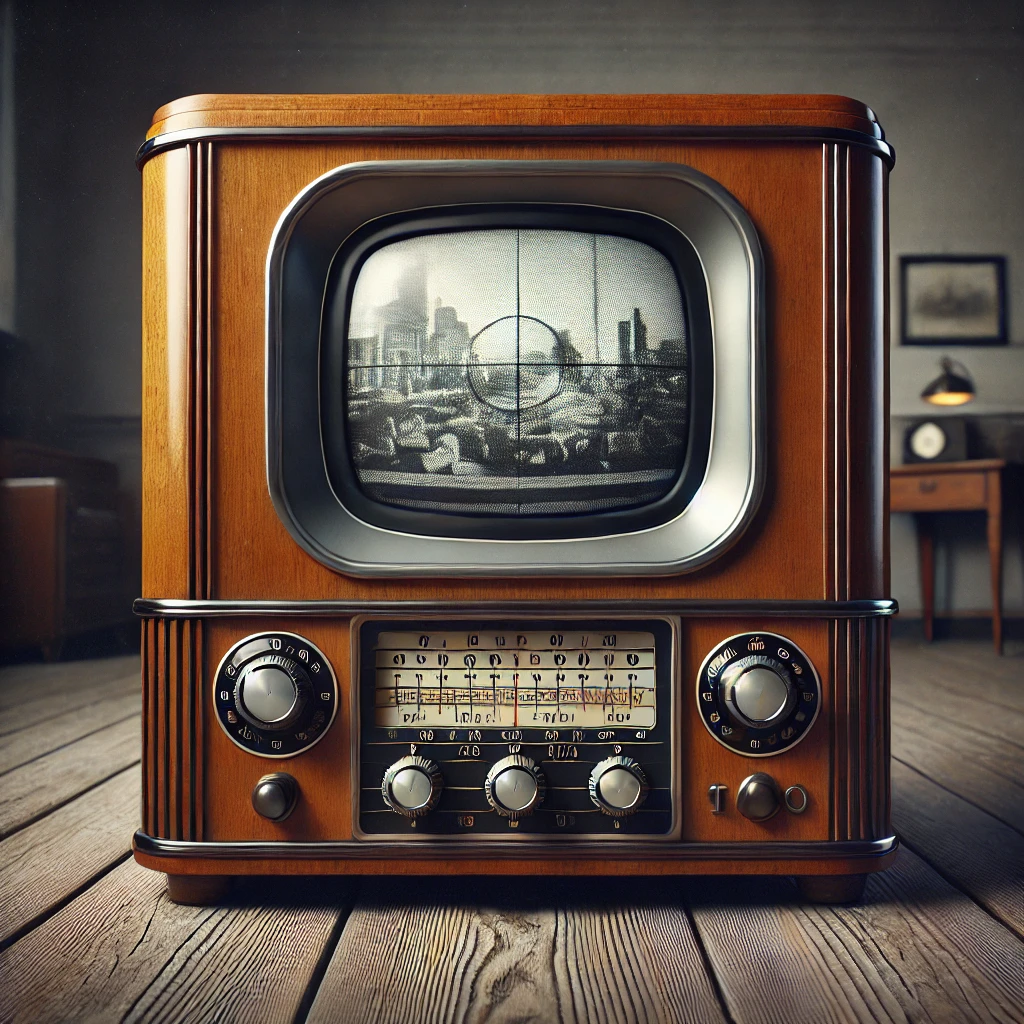
Television began as an experimental technology in the early 20th century, with mechanical TV systems using rotating disks and neon lamps to produce low-quality images. By the 1930s, electronic television took over, thanks to pioneers like Philo Farnsworth and Vladimir Zworykin. The introduction of cathode ray tube (CRT) displays improved picture quality, making televisions a household staple by the 1950s. These early TVs were large, housed in wooden cabinets, and featured dials to manually adjust channels. Though they only displayed black-and-white images, they revolutionized entertainment and communication.
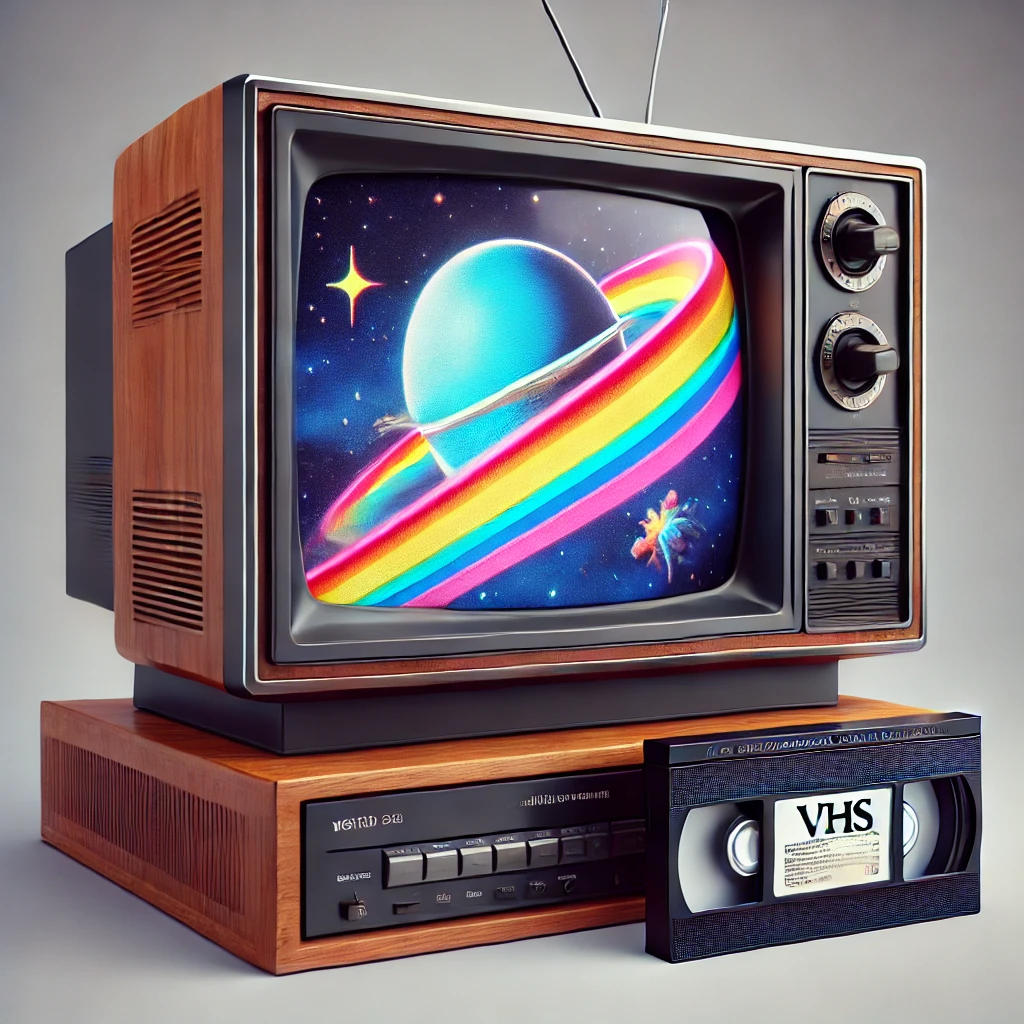
The 1960s saw the widespread adoption of color broadcasting, which significantly enhanced viewer experience. Television sets became more affordable, and networks started producing content in color to attract audiences. Throughout the 1970s and 1980s, cable television expanded, offering more channels and diverse programming. By the 1990s, CRT TVs were more compact yet still bulky by today’s standards. Many households paired their TVs with VHS players to record and watch content on demand. This era defined television culture, with families gathering around their sets to watch sitcoms, news, and live events.
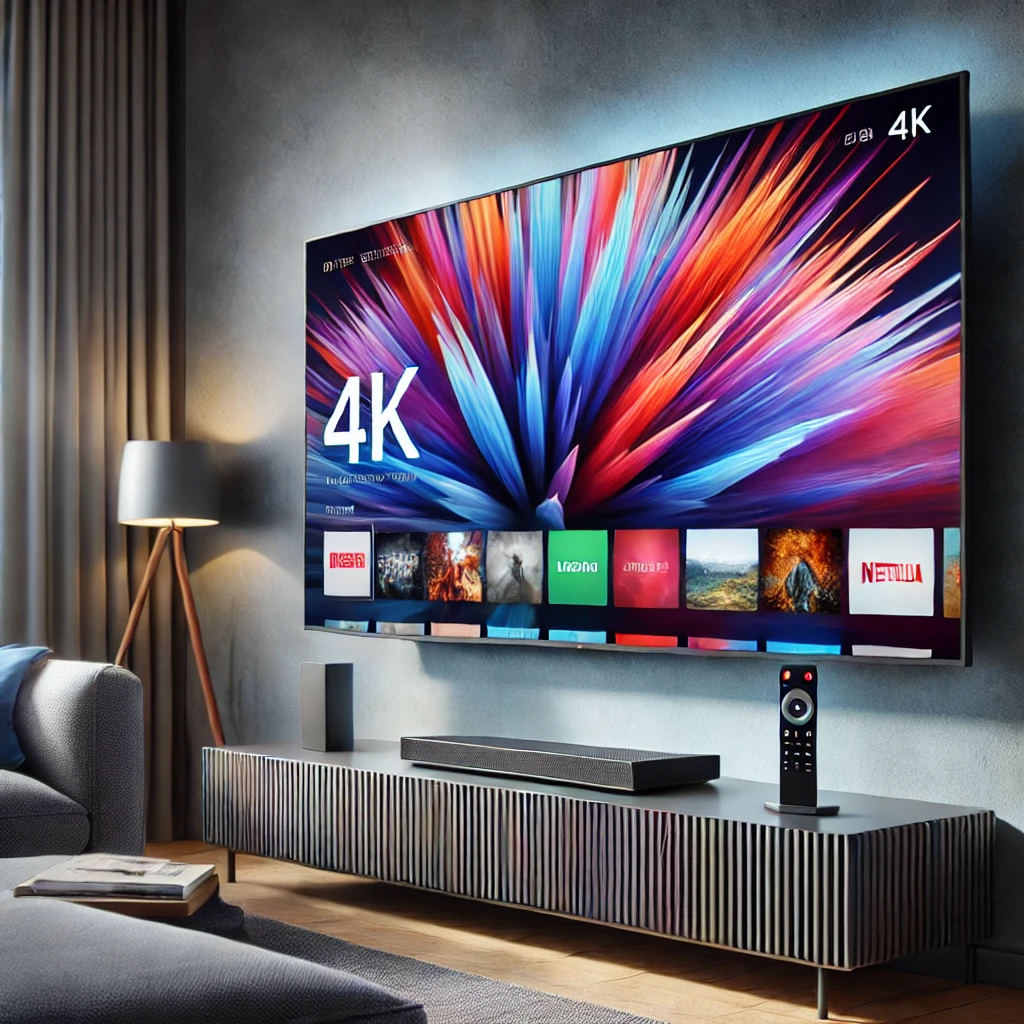
The late 1990s and early 2000s brought the rise of flat-screen TVs, replacing bulky CRTs with LCD, plasma, and LED displays. High-definition (HD) technology became the new standard, providing sharper resolution and better sound quality. With the introduction of smart TVs, streaming services like Netflix and YouTube changed how people consumed content, making traditional cable TV less dominant. Today, advancements in 4K and 8K resolutions, AI-powered visuals, and ultra-thin OLED screens continue to push television technology forward, offering immersive experiences for viewers worldwide..